

Potenza vs Morpheus8: Key Differences Before You Choose

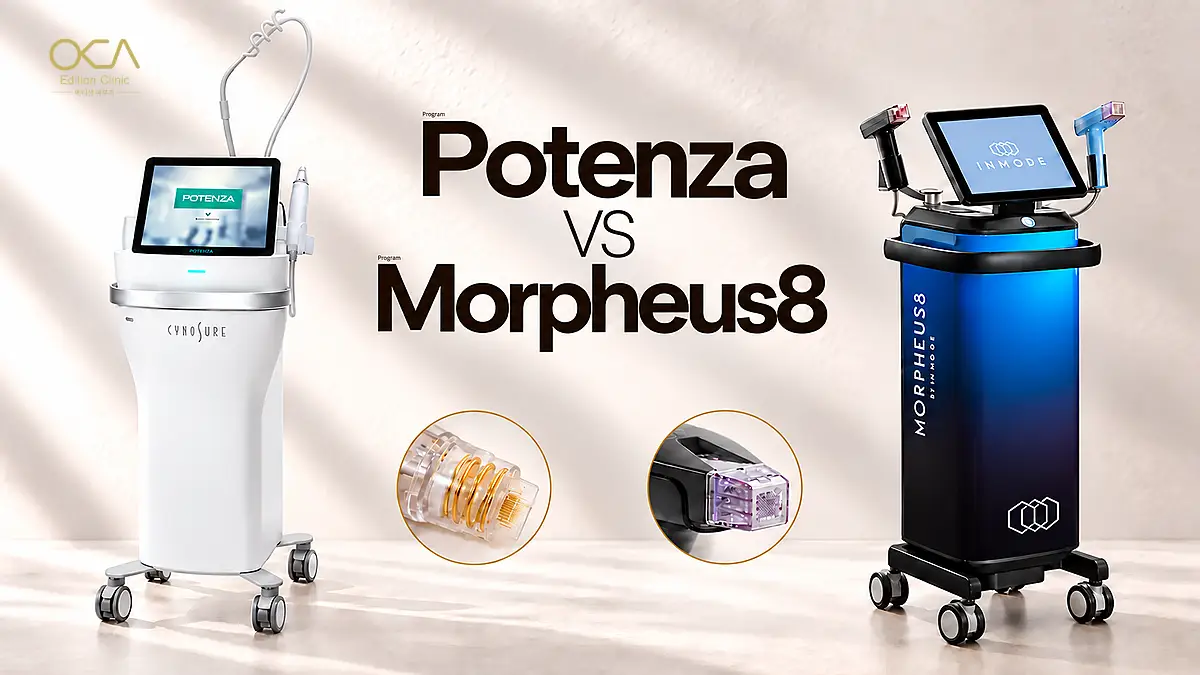
Table of Contents Show / Hide
Medically Reviewed by

- Medical Doctor, Chulalongkorn University — Second Class Honors
- 3 Years Experience in Aesthetic Medicine
- Specialized in RF Microneedling & Energy-Based Skin Rejuvenation
Potenza vs Morpheus8: Both treatments combine microneedling with radiofrequency (RF) heat to stimulate collagen, but their treatment depths and best-suited skin concerns differ.
Skin texture and facial contour can overlap as concerns, yet they do not always call for the same treatment depth. Potenza may be considered for acne-scar texture or stretch marks, while Morpheus8 adds options involving deeper tissue and fat. Darker skin tones call for careful energy selection, and deeper or higher-energy treatment also needs care where unwanted fat loss would work against the desired result.
Key Takeaways
- Potenza focuses on texture, enlarged pores, fine lines and acne scars; Morpheus8 is also used for deeper tightening, contouring and changes to subdermal fat.
- Potenza offers monopolar and bipolar RF at 1 MHz and 2 MHz, while Morpheus8 uses bipolar RF.
- Potenza needles reach approximately 0.5–4 mm. Morpheus8 reaches around 4 mm on the face, with body tips extending to roughly 7–8 mm.
- Potenza’s Fusion Tip supports the delivery of topical products such as serums or PRP. Morpheus8 offers Prime Tip and Burst Mode options for treating at different depths.
- Potenza is generally associated with a gentler treatment and shorter recovery, including options for darker skin. Deeper Morpheus8 treatment can involve more discomfort and swelling.
What Is Potenza RF Microneedling?
Potenza is RF microneedling performed without surgery, using a platform developed by Cynosure. It combines fine needling with RF heat to stimulate collagen and elastin, helping improve skin texture and mild skin laxity.
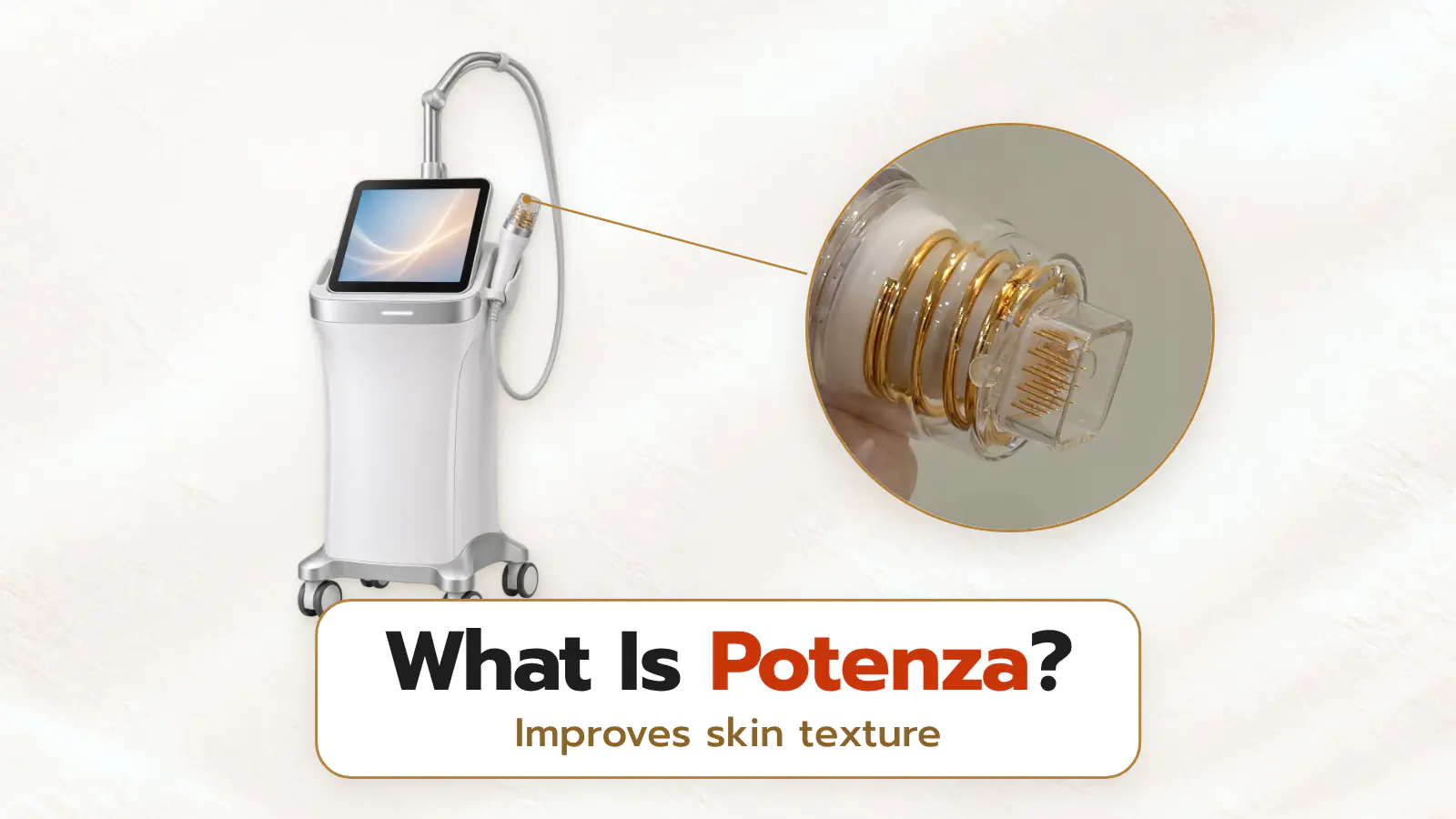
Potenza offers both monopolar and bipolar RF, with 1 MHz and 2 MHz settings for different patterns of energy delivery. Specialized attachments, including Tiger Tip and fusion-delivery tips, add options for selected skin depths and treatment goals.
How Potenza Works
Fine needles form small channels that initiate a repair response. RF energy travels through the needles into the dermis, adding controlled heat to the mechanical stimulus. The combined response tightens existing tissue and supports new collagen and elastin as the skin repairs over the following weeks and months.
Skin Concerns It Can Address
- Acne scars, enlarged pores, rough texture and fine lines.
- Mild skin laxity and uneven tone or pigmentation.
- Stretch marks and selected concerns on the body.
Treatment and Recovery
Potenza can be used across Fitzpatrick skin types I–VI. A numbing cream is applied before treatment, which typically takes about 30–60 minutes. Temporary redness or swelling may last around one to three days. A course often involves three to four visits, spaced about four to six weeks apart, with changes developing over the following weeks and months.
Collagen remodeling can continue for roughly three to six months. This longer response period differs from the short-lived redness or swelling after an appointment.
For device information, see Jeisys Medical. For treatment details and packages, see Potenza RF microneedling at Edition Clinic.
What Is Morpheus8?
Morpheus8 is a minimally invasive treatment combining microneedling and RF energy, without surgery. The platform is made by InMode. Gold-coated pins deliver heat into the dermis and, at appropriate depths, the tissue beneath it to stimulate collagen and elastin, supporting skin tightening and contouring.
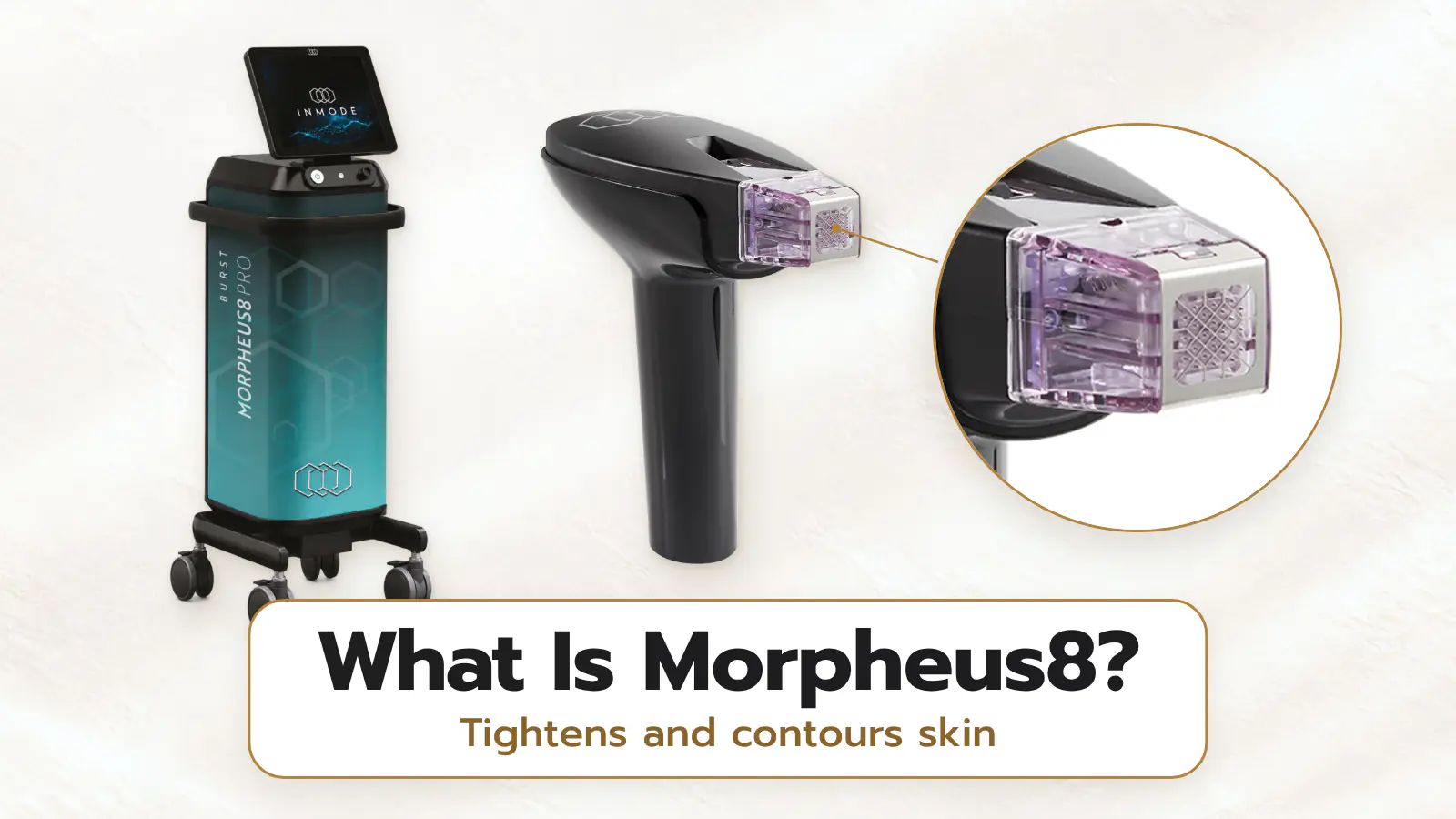
Morpheus8 uses different attachments for different treatment areas. Options described for the platform include a 24-pin facial tip and a 40-pin body tip, alongside variation in needle depth. A deeper body attachment should not be read as the standard setting for every facial area. The planned tissue layer, skin thickness and treatment goal determine which attachment and depth are relevant, particularly when the aim includes remodeling fat beneath the skin.
How Morpheus8 Works
Gold-coated pins create tiny injuries while delivering heat into the dermis and, with the appropriate settings, the fat beneath it. This process supports collagen and elastin production. Alongside improvements in the skin, treatment can remodel subdermal fat to support tightening and contouring.
Skin and Contouring Concerns
- Laxity around the jawline, lower face and neck.
- Fine lines, acne scars, enlarged pores and uneven texture.
- Selected body concerns, including loose skin, stretch marks and cellulite.
Treatment Course and Recovery
Courses commonly involve two to three sessions, often four to six weeks apart. Numbing is used before the procedure; treatment itself may take around 30–60 minutes. Redness, swelling and visible needle marks are temporary, with recovery generally lasting a few days. Collagen changes continue over several months rather than appearing all at once. The collagen response can continue over roughly three to six months, with results lasting a year or longer in some cases.
Morpheus8 is used across different skin tones, with settings selected for the treatment area and skin. The comparison below explains how depth and comfort differ from Potenza.
What Is RF Microneedling?
RF microneedling is a minimally invasive treatment that combines fine needles with radiofrequency heat delivered beneath the skin surface. The micro-injuries and controlled heat trigger healing that produces new collagen and elastin, improving acne scars, enlarged pores, fine lines, texture and mild laxity over several weeks.
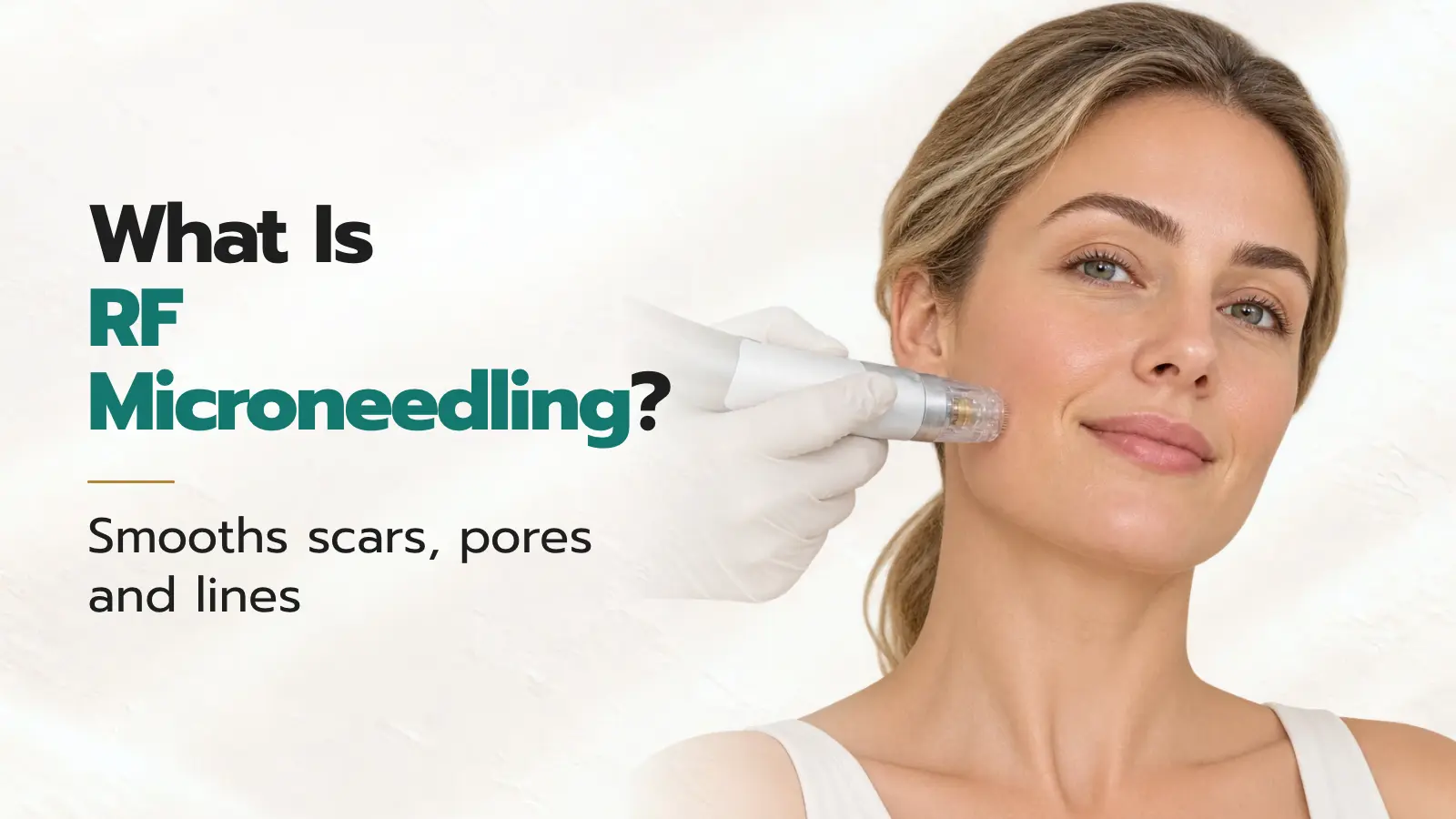
Compared with regular microneedling, the added heat can produce stronger remodeling, but it also adds heat-related risks. A course of several sessions is usually needed, and results are not a substitute for a surgical lift.
Potenza vs Morpheus8: Comparing the Two Platforms
Potenza and Morpheus8 both use RF microneedling, but the technology, treatment depth and skin concerns they target differ.
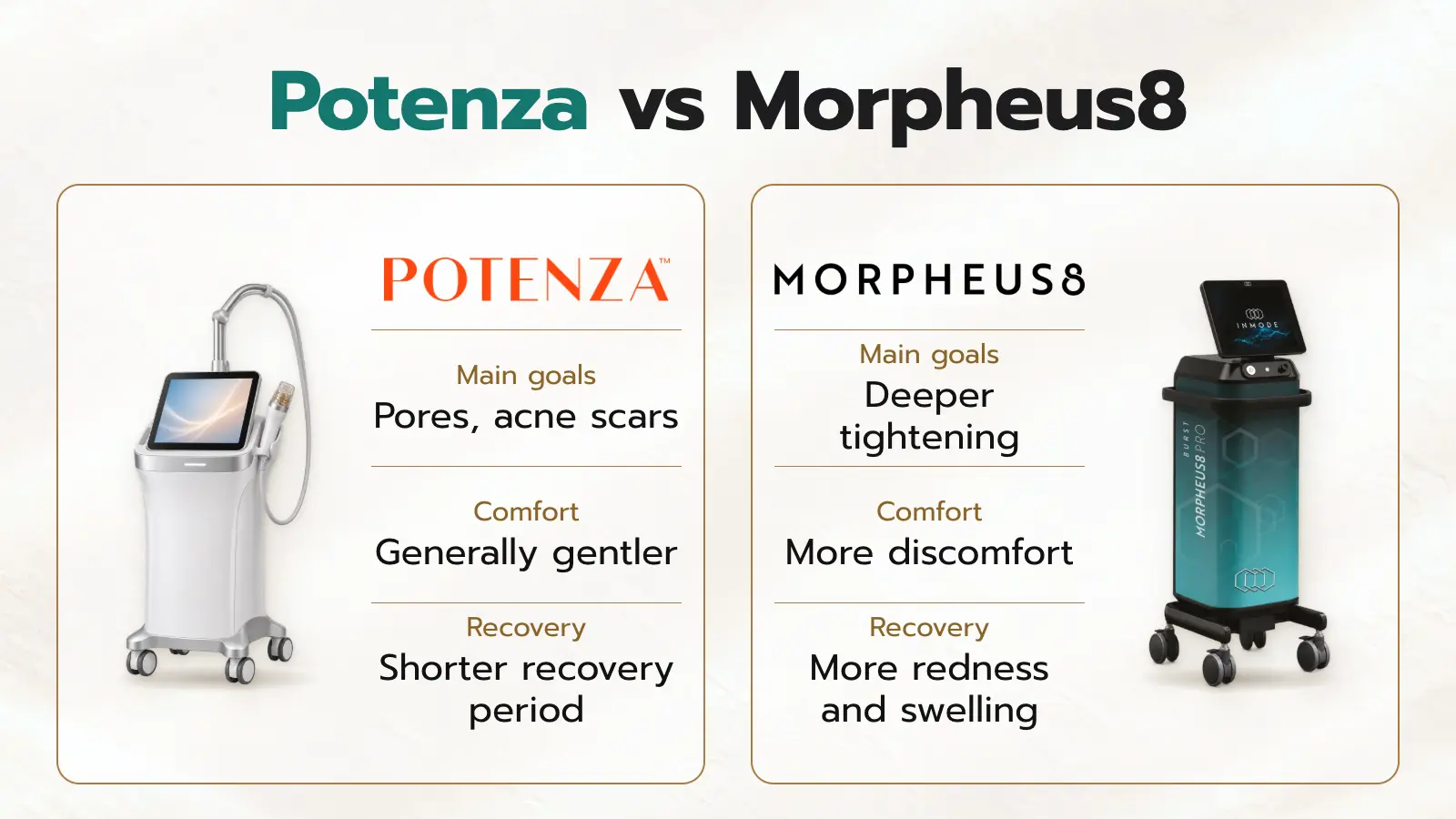
Facial and body depth figures should be compared separately. Both platforms can reach around 4 mm on the face; Morpheus8's 7–8 mm body figures describe a different attachment and treatment area, rather than a deeper facial setting for everyone.
| Feature | Morpheus8 | Potenza |
|---|---|---|
| RF modes | Bipolar RF | Monopolar and bipolar RF; 1 MHz and 2 MHz settings |
| Needle depth | Around 4 mm on the face; body tips approximately 7–8 mm | Approximately 0.5–4 mm, for superficial to mid-depth concerns |
| Main treatment goals | Deeper tightening, contouring and remodeling of subdermal fat | Pores, fine lines, acne scars and uneven texture |
| Topical delivery | No dedicated Fusion Tip-style infusion system | Fusion Tip for delivering topical products, including serums |
| Skin-tone considerations | Deeper or higher-energy treatment calls for careful settings on darker skin | Options for a broad range of skin tones, including darker skin |
| Comfort and recovery | Deeper treatment may cause more discomfort, redness and swelling | Generally gentler, with a shorter recovery period |
| Other tip options | Prime Tip and Burst Mode options allow treatment at different depths | A selection of needle and treatment tips |
Should You Choose Potenza or Morpheus8?
Choosing between Potenza and Morpheus8 depends on your main skin concern and the treatment depth it requires. Potenza generally fits skin-texture concerns such as pores, fine lines and acne scars; Morpheus8 is more often considered for deeper laxity, contouring or treatment involving subdermal fat.
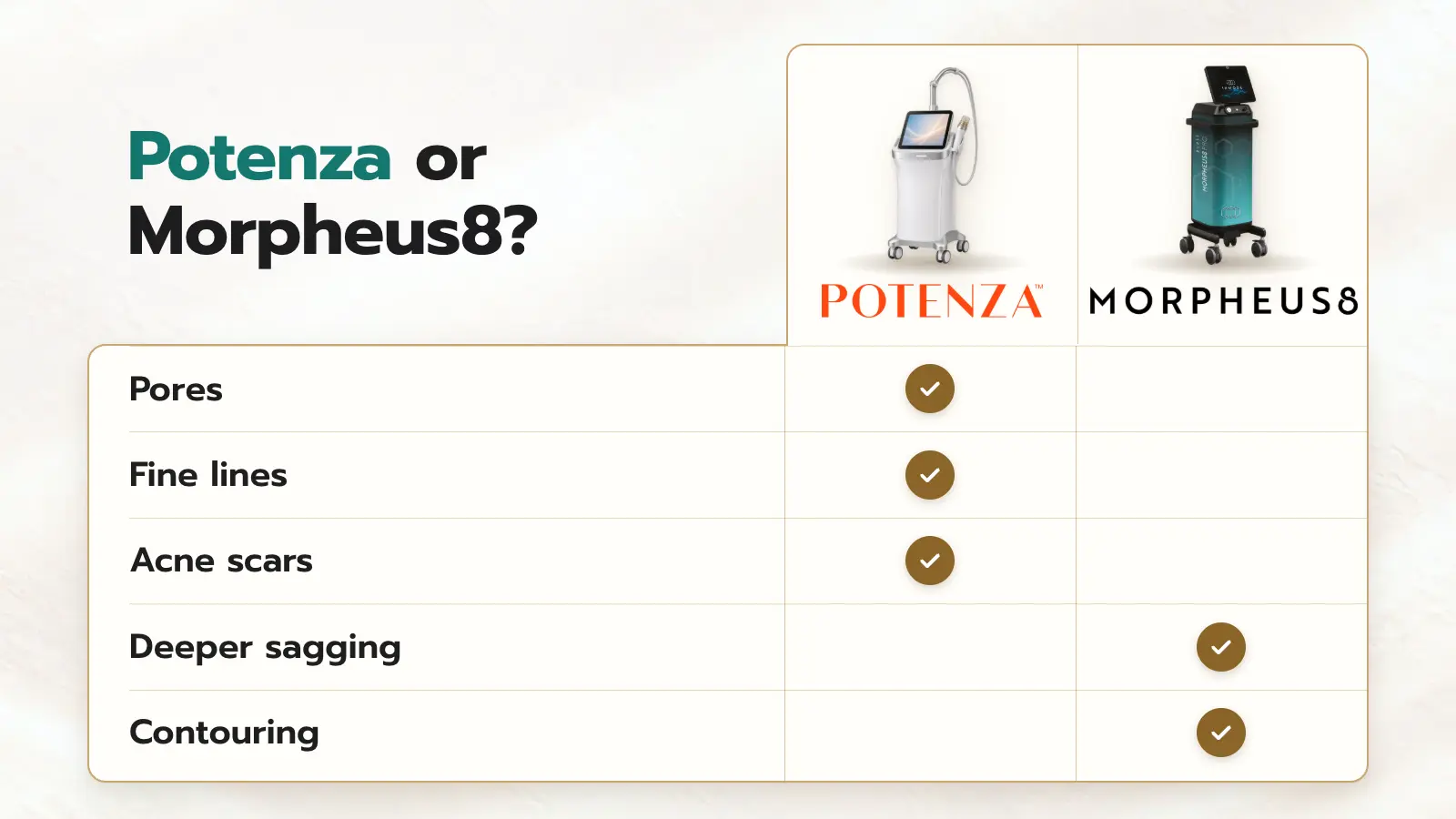
Attachment choice is another consideration when comparing Potenza vs Morpheus8. Potenza offers 16-, 25- and 49-needle arrays, while Morpheus8's Prime Tip and Burst Mode provide further options for different areas and depths. Ask which configuration is proposed for your treatment area, rather than comparing the platform names alone.
When Potenza May Fit Your Goals
Potenza may suit you when the priority is pores, fine lines, uneven texture or acne scars, including rolling and boxcar scars. It also offers an option for darker or sensitive skin when a gentler treatment and shorter recovery are priorities. If topical delivery is part of the plan, its Fusion Tip provides that option.
When Morpheus8 May Fit Your Goals
Morpheus8 may suit deeper laxity, contouring or treatment involving subdermal fat, particularly on thicker skin or selected body areas. That deeper approach can mean more discomfort and recovery time. Darker skin needs careful adjustment of the treatment settings.
Turn the Comparison into a Treatment Plan
- Identify the main problem and the area you want to treat.
- Consider skin sensitivity, skin tone and how much recovery time you can allow.
- Discuss depth and energy settings with your doctor; the device name alone does not determine the plan.
For a closer look at individual concerns, read the sections on acne scars, pores and texture, and sagging skin and the jawline.
Not Sure Which RF Microneedling Treatment Is Right for You?
Every skin is different. Our doctor provides a free 1:1 consultation to assess your skin, recommend the right approach, and give you a clear, upfront quote — no pressure, no hidden fees.
💬 Get a Free Consultation800+ reviews across Google & GoWabi · 6,700+ patients treated
Potenza vs Morpheus8 for Acne Scars
For most acne scars, Potenza is often preferred because its adjustable depths, RF modes and ampoule delivery can be tailored to shallow and moderate scars, while Morpheus8’s deeper reach suits scars combined with skin laxity. Both can improve atrophic scars, but scar type matters more than the device brand.
- Rolling and boxcar scars: Both devices may help; acne scars often need 3–4 sessions, more than the 2–3 typical for texture concerns, with gradual improvement over several months.
- Tethered or ice-pick scars: Often need subcision, TCA CROSS or punch techniques, alone or combined with RF microneedling.
- Red or brown marks: Post-acne redness or pigmentation usually needs separate treatment.
Which Is Better for Sagging Skin and Jawline Contouring?
Morpheus8 is usually favoured for mild-to-moderate sagging and jawline contouring because it can reach deeper tissue and affect subdermal fat along the jowls and neck. Potenza can improve mild laxity, particularly when texture or scarring is the main concern, but neither device replaces a surgical facelift.
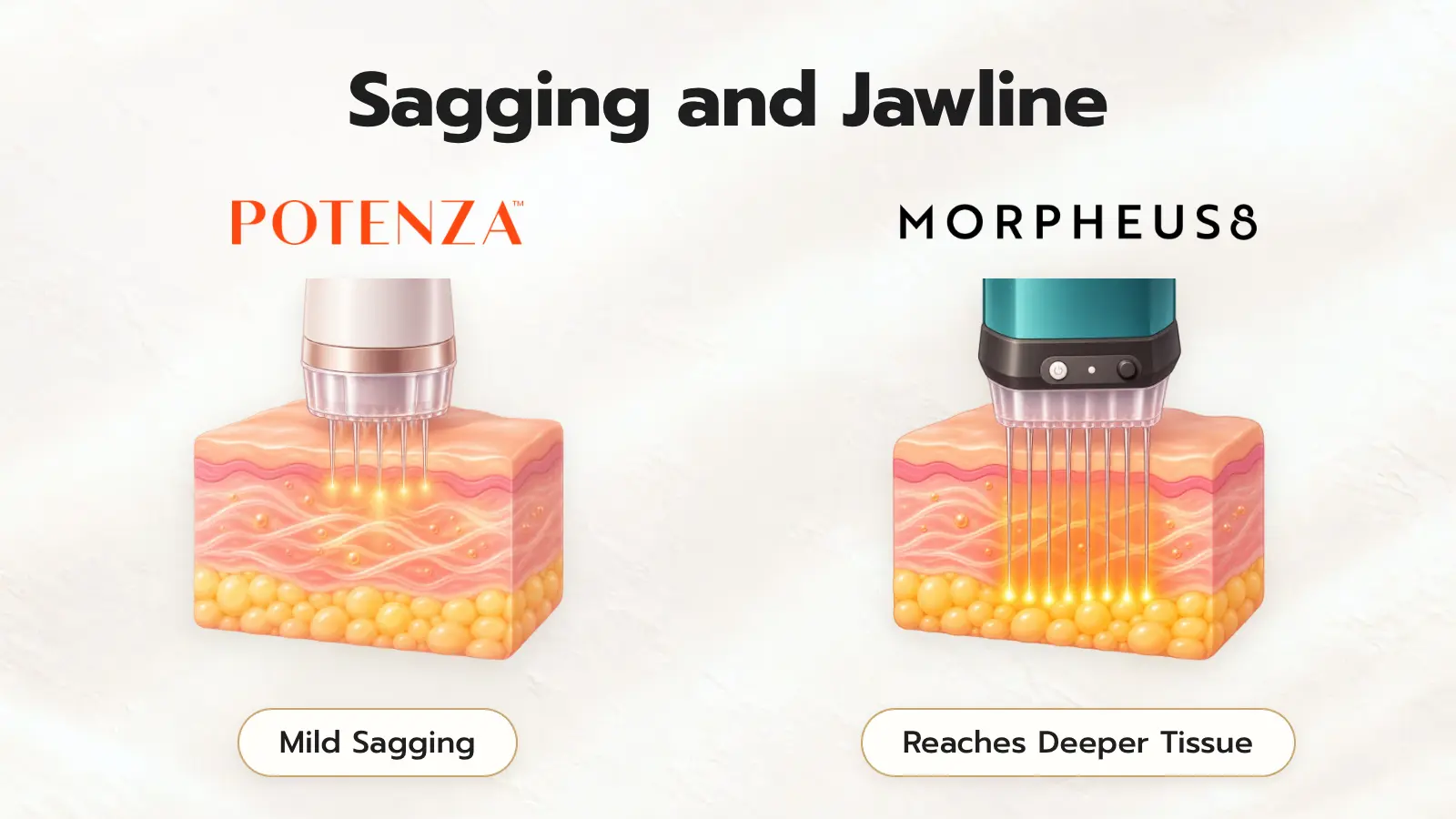
Deeper heating is not automatically better: unwanted fat loss and facial hollowing have been reported with RF microneedling, so thin faces need cautious settings. Significant sagging usually needs surgery or another lifting approach.
Which Is Better for Large Pores and Skin Texture?
Potenza is often the preferred choice for enlarged pores and rough texture because it can target the upper and mid dermis with customizable modes and deliver ampoules through its Fusion Tip. Morpheus8 suits pores alongside laxity, but its deeper treatment usually involves longer downtime.
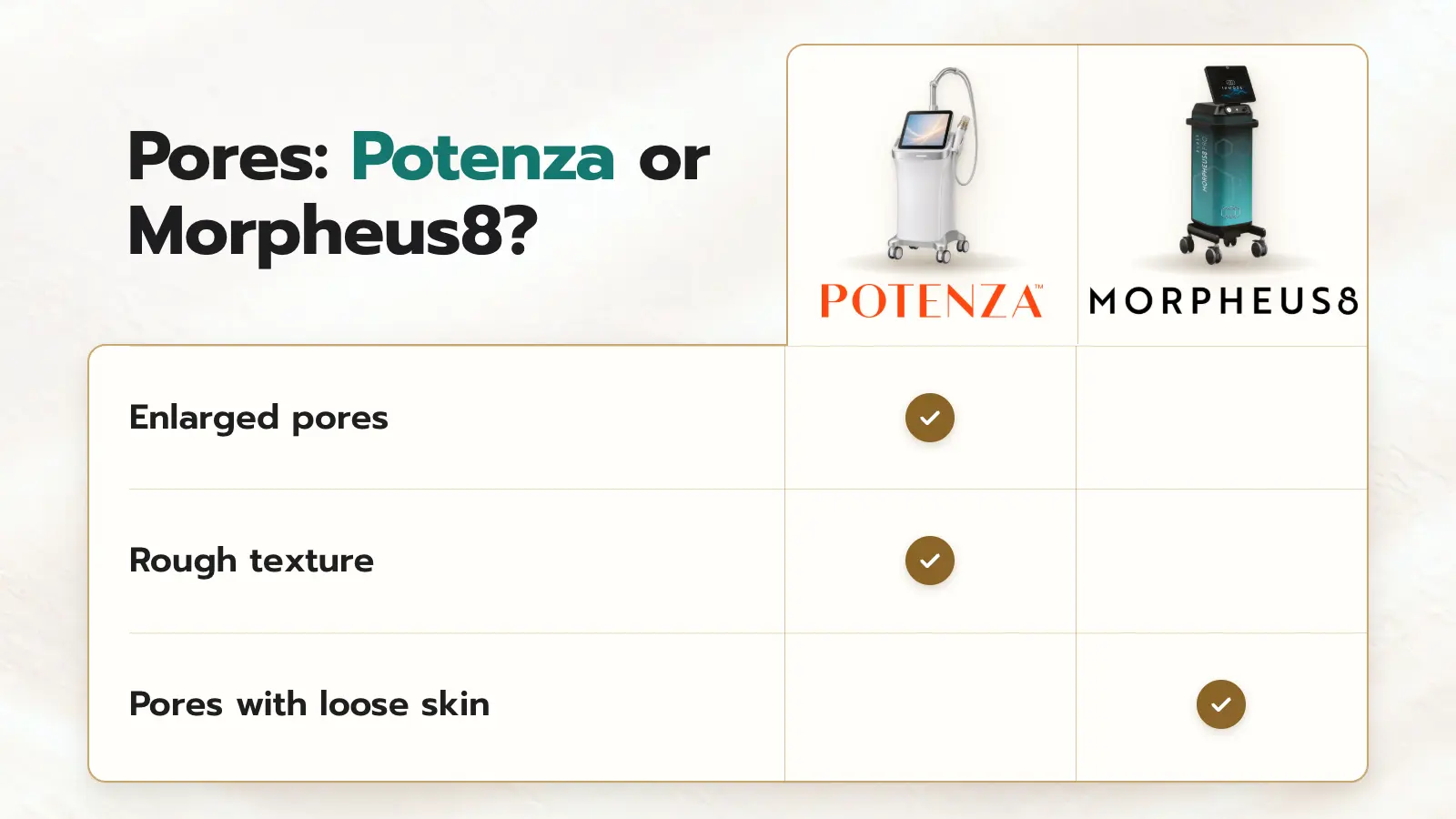
RF microneedling does not close pores permanently. Results build over a course of treatments, and managing oil, acne and daily skincare helps maintain the improvement.
Which Is Safer for Asian and Darker Skin Tones?
Potenza and Morpheus8 can be used on Asian and darker skin tones, but post-inflammatory hyperpigmentation (PIH) is the key risk with either. Potenza’s adjustable modes and insulated tips allow conservative settings, while Morpheus8’s higher-energy settings need particular caution. Neither device is proven to be safer in head-to-head studies.
- Experienced provider: Choose a doctor experienced in treating skin of color who adjusts depth and energy conservatively.
- Pigment-prone skin: Treat or stabilise melasma and active pigmentation first, and consider a test area.
- Sun protection: Daily sunscreen and gentle aftercare reduce the risk of PIH during recovery.
Potenza vs Morpheus8: Pain, Downtime and Recovery
Potenza is often described as more comfortable with shorter downtime, while deeper Morpheus8 treatment usually causes more discomfort and swelling. With numbing cream, most patients feel heat or prickling. Redness, swelling and pinpoint marks typically settle within a few days, depending on depth and settings.
- Comfort: Numbing cream is applied for about 30 minutes; deeper or higher-energy passes feel more intense.
- Typical downtime: Potenza commonly involves 1–3 days of redness; Morpheus8 commonly 3–5 days, with more swelling on the jawline and neck.
- Aftercare: Use gentle skincare and sunscreen, avoid heat and strenuous exercise for 48 hours, and allow several days before important events.
Risks and Side Effects
Common side effects of both devices are temporary redness, swelling, pinpoint bleeding, tenderness and grid marks. Less common but serious risks include burns, scarring, pigmentation changes, unwanted fat loss and nerve injury. The device settings, treatment depth and provider skill largely determine the level of risk.
In 2025, the US FDA issued a safety communication about RF microneedling after reports of burns, scarring, fat loss and nerve damage. Seek prompt review for blistering, increasing pain, signs of infection, numbness or changes in facial contour.
When Neither Is the Right Choice
Neither Potenza nor Morpheus8 is suitable when active infection, inflamed acne, pregnancy or a medical condition makes RF heat and needling unsafe, or when your concern needs a different treatment. Thin or hollow faces need caution because fat loss has been reported, and significant sagging may need surgery.
RF microneedling may need to be avoided or postponed if you:
- Are pregnant or breastfeeding
- Have an active skin infection, cold sores or inflamed acne in the treatment area
- Have a pacemaker or metal implants near the treatment area
- Have a history of keloid scarring, impaired healing or a bleeding disorder
- Have recently taken isotretinoin
Why Edition Clinic Uses Potenza
Edition Clinic uses Potenza as its primary RF microneedling device because many patients seek treatment for acne scars and enlarged pores, concerns that benefit from its customizable RF modes and ampoule delivery. Treatment depth, energy and ampoules are planned for each patient after a doctor’s assessment.
Drug Delivery Makes a Real Difference
During Potenza treatment at Edition Clinic, active ampoules are applied while the microneedles create micro-channels, allowing ingredients such as exosomes or Juvelook to reach deeper than topical application alone. A 2025 systematic review identified this as an advantage of fractional RF microneedling for acne scars.
What a Potenza Session Looks Like
A Potenza session at Edition Clinic Thonglor takes about one hour, including numbing, and follows four main steps planned by the doctor. Most patients return to normal activities the next day, with mild redness that usually settles within 1–3 days.
- Step 1 — Numbing cream: Applied for approximately 30 minutes to ensure comfort throughout the procedure.
- Step 2 — RF microneedling: The doctor performs 2 to 3 passes across the full face using sterile, single-use CP-25 gold-coated insulated tips.
- Step 3 — Ampoule infusion: Active ingredients are applied during treatment and absorbed through the micro-channels.
- Step 4 — Post-care: Gentle skincare and sunscreen are recommended while mild redness settles.
Real Results: Before & After
The photos below show Potenza results for acne scars and acne redness in Edition Clinic patients. Outcomes depend on skin type, scar severity, the number of sessions and aftercare, so these images illustrate possible improvement rather than a guaranteed result.
Pricing
Potenza RF microneedling at Edition Clinic starts from 12,900 THB per session. Combination packages with Exosome or Juvelook start from 17,900 THB and include FREE LDM Therapy (worth 1,999 THB) and a FREE Modeling Pack (worth 999 THB). See full pricing on the Potenza RF Microneedling page.
All treatments at Edition Clinic are performed by licensed medical professionals. Individual results may vary depending on skin type, condition severity, and treatment adherence.
Ready to Try Potenza RF Microneedling?
Genuine Potenza by Jeisys Medical · Korean-standard protocols · Starting from 12,900 THB · Free 1:1 doctor consultation included.
📅 Book Your Appointment800+ reviews across Google & GoWabi · FREE LDM Therapy + Modeling Pack with combo packages
Clinic-wide patient count: 6,717 unique patients treated from 7 August 2023 to 1 October 2026, excluding repeat visits. This is not a treatment-specific count.
Frequently Asked Questions About Potenza vs Morpheus8
1. Is Potenza better than Morpheus8?
Neither device is universally better; the right choice depends on your skin concern. Potenza’s multiple RF modes and ampoule delivery suit acne scars, enlarged pores and texture, while Morpheus8’s deeper reach suits laxity and contouring. Settings and the doctor’s technique also strongly affect results.
2. How many sessions of Potenza do I need?
Most patients need 2 to 3 Potenza sessions spaced 4 to 6 weeks apart. Mild texture concerns may improve in 2 sessions, while deeper acne scars may benefit from 3 or more, depending on severity and response. Your doctor reviews progress after each session before planning the next one.
3. Does Potenza RF microneedling hurt?
Potenza is generally well tolerated. Numbing cream is applied for about 30 minutes, and most patients feel warmth or prickling during treatment. Potenza is often reported as more comfortable than Morpheus8, although discomfort depends on depth, energy and the treatment area.
4. Can Potenza treat acne scars?
Yes, Potenza can improve many atrophic acne scars by stimulating collagen remodeling in scarred tissue. At Edition Clinic, active ampoules such as exosomes or Juvelook may be applied during treatment; tethered or ice-pick scars may also need subcision or other techniques.
5. Is RF microneedling safe for dark skin?
RF microneedling can be used on darker skin tones (Fitzpatrick IV–VI) because it delivers heat beneath the surface with less epidermal damage than many ablative lasers. Post-inflammatory hyperpigmentation can still occur, so conservative settings, an experienced provider and sun protection are important.
6. How long do Potenza results last?
Potenza results can last 12 months or longer, depending on your skin condition and lifestyle. Collagen remodeling continues for 3 to 6 months after the final session. Because natural ageing continues, sun protection, consistent skincare and maintenance sessions may help sustain the improvement.
Ready for Smoother, Clearer Skin?
Book a free consultation at Edition Clinic and find out if Potenza RF microneedling is right for you.
